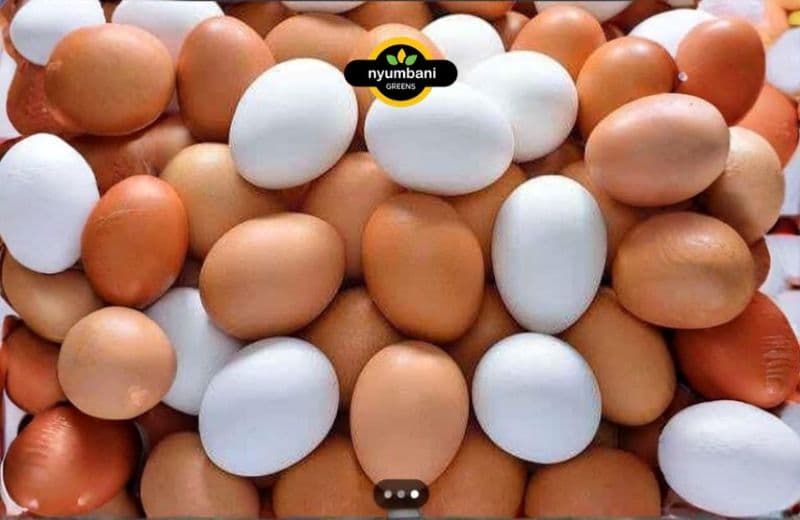
Kienyeji Eggs Benefits: Nutrition, Taste and Who Gains Most
Ask a Kenyan grandmother why she prefers eggs from the homestead, and she will not start with vitamins. She will tell you the yolk is darker, the taste is fuller, and the children eat them without fuss. Science has caught up with part of that story.
This guide covers the real benefits of kienyeji eggs. It also covers what is still debated, who gets the most from them, and how to eat them well. If you want the side-by-side comparison with commercial eggs first, read our guide on kienyeji eggs vs broiler eggs.
What makes kienyeji eggs different?
Pure Kienyeji eggs come from indigenous or improved kienyeji hens that roam compounds and farms. They scratch the soil, eat insects, seeds, green leaves, and kitchen scraps, and spend their days in sunlight.
That lifestyle shapes the egg. A hen’s diet decides what ends up in the yolk, so a bird that forages widely lays a different egg from one fed only formulated feed in a closed house.
The main health benefits of kienyeji eggs
1. A complete, affordable protein
A large egg carries about 6 grams of high-quality protein with all the essential amino acids. Protein keeps you full for longer, supports muscle, and helps children grow. This is true of any good egg, but kienyeji eggs deliver it with extra flavour, which makes them easier to serve to fussy eaters.
2. Choline for the brain and nerves
Egg yolks are one of the richest food sources of choline, a nutrient linked to brain development, memory and liver health. Many people struggle to get enough of it from diet alone. One or two eggs a day is an easy way to close that gap.
3. Lutein and zeaxanthin for the eyes
The golden colour in a yolk comes partly from carotenoids such as lutein and zeaxanthin. These antioxidants collect in the retina and help protect eyesight as you age. The fat in the yolk also helps your body absorb them well. A deeper yolk usually points to a hen that ate plenty of greens and plant matter.
4. More vitamins A, E, and omega-3 when hens truly forage
This is where kienyeji eggs can have an edge. Research from Penn State found that hens kept on pasture laid eggs with roughly three times the omega-3 fats, about twice the vitamin E and around 40 percent more vitamin A than hens kept in cages on a standard grain diet.
Be aware that most of this research comes from pasture systems abroad. Results depend on what the hens actually eat and how much time they spend outdoors. A kienyeji hen that forages all day will lay a more nutrient-dense egg than one confined and fed only on pellets.
5. Vitamin D, B12 and iron in one small package
Eggs also supply vitamin D for bones, vitamin B12 for blood and nerves, plus iron, folate and selenium. Most of these sit in the yolk, so eating the whole egg gives you the full benefit.
6. A filling food that fits weight goals
A large egg has only about 70 calories, yet it keeps hunger away for hours. A boiled egg with a slice of fruit makes a steady breakfast that does not leave you hungry by ten o’clock.
The taste and cooking benefits people notice first
Many cooks say kienyeji eggs taste richer and more “eggy”. The yolk often stands tall and round, and the white holds together instead of spreading thin in the pan. That makes them lovely for boiling, frying sunny side up, or scrambling with onions and tomatoes.
Because the flavour is stronger, a simple preparation is enough. Boil them for 8 to 10 minutes and serve with kachumbari, or cook them into a fresh bowl of sagaa or managu for a quick, nourishing meal.
Who benefits most from kienyeji eggs?
Growing children benefit from the protein, choline, and vitamin D that support brain and bone development. Pregnant and breastfeeding mothers gain from choline, folate, and B12, though eggs should be fully cooked. Older adults can use eggs as a soft, easy to chew source of protein and eye friendly nutrients. Active people and busy professionals get a filling, low-prep meal that is easy to carry and cook.
Are kienyeji eggs safe and healthy every day?
For most healthy adults, one egg a day fits comfortably into a balanced diet. The old fear that egg cholesterol automatically raises blood cholesterol has softened over the years, because saturated fat in the overall diet matters more.
Some people should be more careful. If you have diabetes, high cholesterol, high blood pressure or heart disease, speak to your doctor or dietitian about how many eggs suit you.
A few practical points:
Kienyeji eggs can be fertile if a rooster runs with the hens. They are still safe to eat. You would only see a difference if the egg were incubated.
Cook eggs until the white and yolk are firm for young children, pregnant women, and the elderly. This lowers the risk of food poisoning.
Store eggs in a cool place, and in the fridge if you will keep them beyond a few days. To test freshness, place an egg in a bowl of water. A fresh one lies flat on the bottom.
Kienyeji eggs benefits: what the marketing does not tell you
Not every egg sold as “kienyeji” is the same. A hen kept in a small pen and fed only commercial feed will not lay the same egg as a free-ranging bird. Benefits come from the way the hen lives, not from the label alone.
Ask where the hens roam and what they eat. Look for uneven shell sizes and colours, which are normal for real farm eggs. If you are curious about the birds behind the eggs, our guide to kienyeji chicken farming in Kenya explains the breeds and how they are raised. If you wonder why some breeds lay more than others, see our piece on improved kienyeji eggs and when hens start laying.
Where to buy kienyeji eggs in Nairobi
If you would rather not hunt through markets, Nyumbani Greens delivers pure kienyeji eggs to Kilimani, Kileleshwa, Lavington, Karen, Lang’ata, Westlands and South B. You can also browse the rest of our fresh organic offerings to build a full meal around them.
"Knowledge is the foundation of sustainable progress. By sharing insights and fostering understanding, we create a better future for agriculture and healthy living."