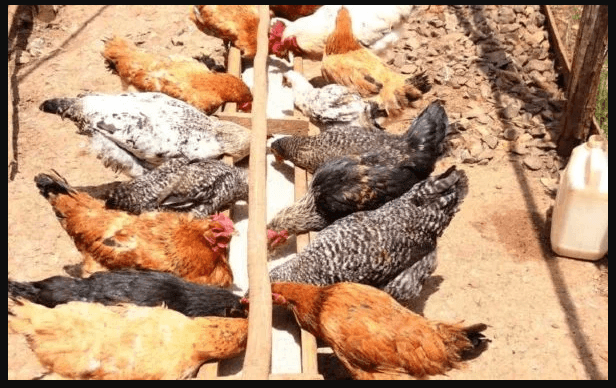
Kienyeji Chicken Farming in Kenya: Kienyeji Breeds and Costs
Kienyeji chicken farming remains one of the most dependable small livestock businesses in Kenya. It needs less capital than dairy or broiler farming; the birds tolerate local conditions well, and demand for kienyeji meat and eggs keeps climbing in Nairobi and other major towns. This guide walks through what pure kienyeji chicken farming actually involves, the breeds worth keeping, and a realistic cost of rearing 100 Pure kienyeji chickens in Kenya, based on current feed and chick prices.
What Is Kienyeji Chicken Farming
Kienyeji simply means indigenous or local. In poultry terms, it refers to chickens that have adapted to Kenyan conditions over many generations rather than being bred purely for commercial speed. Pure kienyeji birds are hardy, forage well, and survive on relatively little supplementary feed, but they grow slowly and lay fewer eggs than upgraded lines.
Because of this, most farmers today keep improved kienyeji chickens instead of the pure village type. These are still indigenous breeds, but they have been selectively bred for faster growth and higher egg output while keeping the disease resistance and flavour that make kienyeji meat and eggs popular.
Pure Kienyeji vs Improved Kienyeji
Pure kienyeji chickens take around six to eight months to reach table weight and typically lay 60 to 100 eggs a year. Improved kienyeji breeds, developed through research programs including work by the Kenya Agricultural and Livestock Research Organisation, reach a similar table weight in four to five months and can lay well over 200 eggs annually. The trade-off is that improved birds need slightly more consistent feeding to perform at that level, while pure kienyeji can largely fend for themselves under free-range conditions.
Most farmers rearing 100 birds for commercial purposes choose improved kienyeji, since the shorter maturity period and higher egg yield make the enterprise more profitable within a single production cycle.
Popular Kienyeji Chicken Breeds in Kenya
KARI or KALRO Improved Kienyeji: Developed through government research stations, these dual-purpose birds mature faster than pure kienyeji and are bred specifically to suit Kenyan smallholder conditions. They remain a favourite because they combine local disease resistance with better growth rates.
Kenbro: A dual-purpose breed known for good meat yield and steady egg laying, often chosen by farmers who want a balance between meat and egg income.
Kuroiler: Originally developed in India, Kuroiler birds grow quickly, forage actively, and are popular with farmers focused mainly on meat production and fast turnover.
Rainbow Rooster: Another dual-purpose option gaining ground in Kenya, valued for its adaptability to both free-range and semi-intensive systems.
Whichever breed you choose, buying day-old chicks from a registered hatchery reduces the risk of disease and gives more predictable growth compared to sourcing from informal sellers.
Housing and Brooding Requirements
A simple, well-ventilated structure is enough for 100 birds. The house should protect chicks from cold, rain, and predators while allowing enough airflow to prevent ammonia buildup from droppings. During the first three to four weeks, chicks need a brooder with a reliable heat source, since they cannot regulate their own body temperature yet.
Floor space matters more than most beginners expect. Overcrowding increases stress, pecking, and disease spread. A deep litter system using wood shavings or dry sawdust works well for most small and medium-scale kienyeji setups in Kenya, and it also makes manure easier to collect and sell later.
Feeding Schedule for 100 Kienyeji Chickens
Feed typically accounts for the largest single cost in kienyeji chicken farming, often more than half of total production expenses. A general feeding pattern looks like this.
Chick mash is fed from day one to about eight weeks. Each chick consumes roughly 50 to 60 grams a day at this stage, rising gradually as it grows.
Growers mash follows from around week nine to week nineteen, with intake increasing to about 80 to 100 grams per bird daily.
From around week twenty, birds move onto layers mash if kept for eggs, or a finisher ration if being raised purely for meat and nearing market weight.
Supplementing commercial feed with kitchen scraps, sukuma wiki off-cuts, and free-ranging on insects and greens can reduce feed costs noticeably without harming growth, especially for improved kienyeji birds that still retain some foraging instinct.
Vaccination and Health Management
Disease control is what separates profitable kienyeji farming from repeated losses. At minimum, birds should be vaccinated against Newcastle disease, Gumboro, and fowl pox, with Marek's disease vaccination given at the hatchery on day one for most improved breeds. A basic vaccination and deworming program for 100 birds is inexpensive relative to potential losses from an outbreak, and it should be planned before chicks arrive rather than after symptoms appear.
Clean water, dry litter, and controlled access to the poultry house from outsiders and other animals go a long way in preventing disease introduction in the first place.
Cost of Rearing 100 Kienyeji Chicken in Kenya
Costs vary depending on chick source, feed brand, and whether you are building housing from scratch or using an existing structure. Based on current market rates for feed and day-old chicks, here is a realistic breakdown for rearing 100 improved Kienyeji chickens from day one to point of sale, excluding permanent structures such as a brick coop.
| Cost item | Estimated amount (Ksh) |
|---|---|
| 100 day-old chicks at Ksh 100 to 140 each | 10,000 to 14,000 |
| Chick mash, 0 to 8 weeks | 15,000 to 18,000 |
| Growers mash, 9 to 19 weeks | 20,000 to 25,000 |
| Vaccination and deworming | 4,000 to 6,000 |
| Feeders, drinkers, and litter material | 4,000 to 6,000 |
| Labour and miscellaneous costs | 5,000 to 8,000 |
| Estimated total | 58,000 to 77,000 |
This range covers a lean, semi-intensive setup using an existing or basic shelter. Farmers who build a new permanent structure should budget an additional Ksh 30,000 to 50,000 for construction. At a 10 percent mortality allowance, a farmer can expect to sell around 90 mature birds, plus eggs if some hens are retained for laying, which comfortably covers costs and leaves a reasonable margin at current market prices for mature kienyeji chicken and pure kienyeji eggs.
How to Make Kienyeji Chicken Farming More Profitable
Buying chicks in bulk directly from a hatchery or KALRO distribution centre usually costs less per bird than buying from middlemen. Mixing commercial feed with home-grown options such as black soldier fly larvae, sukuma wiki trimmings, and kitchen waste can trim feed costs meaningfully over a production cycle. Selling both mature birds and table eggs, rather than meat alone, spreads income across the year instead of concentrating it at one sale point. Keeping accurate records of feed consumption and mortality also helps identify where money is being lost long before it becomes a serious problem.
If you are in Nairobi and would rather buy already raised, well-cared-for kienyeji eggs and indigenous proteins than manage the flock yourself, Nyumbani Greens delivers organic kienyeji eggs and traditionally prepared foods across Kilimani, Lavington, Karen, and other Nairobi neighbourhoods.
Frequently Asked Questions
How much capital do I need to start kienyeji chicken farming with 100 birds?
Budget between Ksh 58,000 and 77,000 for feed, chicks, vaccines, and basic equipment, plus an additional amount if you need to construct housing from scratch.
How long does it take for kienyeji chicken to mature?
Pure kienyeji chickens take six to eight months to reach table weight, while improved kienyeji breeds mature in four to five months under proper feeding and management.
How many eggs does a kienyeji hen lay per year?
Pure kienyeji hens lay around 60 to 100 eggs annually. Improved kienyeji hens can lay over 200 eggs a year under good management.
Is kienyeji chicken farming profitable in Kenya?
Yes, when you source birds from a reliable hatchery, feed them on a proper schedule, and vaccinate them on time. Most losses in this business come from disease outbreaks and poor feeding rather than market demand, which remains strong across Kenyan towns.
What is the difference between kienyeji and broiler chicken?
Broilers grow much faster, typically reaching market weight in six to eight weeks, but require intensive feeding and controlled conditions. Kienyeji chickens grow more slowly, cost less to feed relative to their resilience, and fetch higher prices per kilogram because consumers prefer their meat and eggs.
"Knowledge is the foundation of sustainable progress. By sharing insights and fostering understanding, we create a better future for agriculture and healthy living."