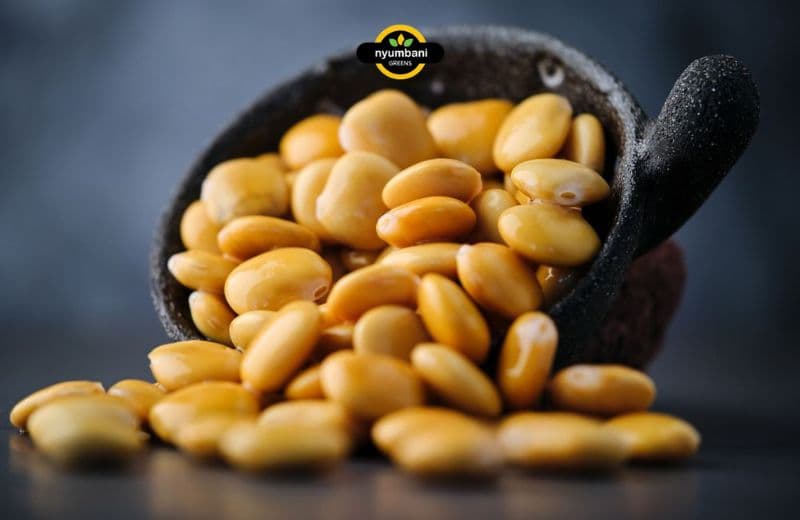
Types of Yellow Beans: Varieties, Uses, and Nutrition Explained
Yellow beans are one of the most versatile legumes grown around the world. They get their name from their pale, buttery color, which ranges from soft cream to a bright golden yellow depending on the variety. Botanically, most yellow beans belong to the species Phaseolus vulgaris, the same family that gives us kidney beans, pinto beans, and black beans. What sets yellow beans apart is their mild, slightly sweet flavor and smooth, creamy texture once cooked, which makes them a favorite in soups, stews, and side dishes across many cuisines.
Yellow beans are not a single variety. They are actually a color category that includes several distinct market classes grown in different parts of the world. Understanding these types helps home cooks, farmers, and buyers choose the right bean for their needs, whether that is fast cooking time, flavor, or yield.
Fresh Yellow Beans: Wax Beans
The most common fresh yellow bean is the wax bean, sometimes simply called a yellow snap bean. These are harvested while the pod is still young and tender, before the seeds inside fully mature. Wax beans look almost identical to green beans in shape, but their pale yellow pods make them easy to spot at the market.
Popular wax bean varieties include Cherokee Wax, Golden Wax, and Beurre de Rocquencourt. Cherokee Wax beans were developed at Clemson University and have been grown commercially since the late 1940s thanks to their high yields and resistance to disease. Wax beans are typically steamed, sautéed, or added to salads, and they are a good source of vitamin A, vitamin C, iron, and dietary fiber.
Dried Yellow Beans: Mayocoba, Peruano, and Canary Beans
While wax beans are eaten fresh, most yellow beans traded and consumed around the world are sold dried, similar to how other pulses like lentils or chickpeas are marketed. The most well-known dried yellow bean is the Mayocoba bean, also called the Peruano bean in parts of Latin America.
Mayocoba beans trace their origins to the coast of Peru, where a naturally occurring yellow bean called Canario was grown for centuries. When this bean reached Mexico, it was crossed with local varieties to produce what is now sold internationally as Mayocoba. These beans have a smooth, buttery texture and hold their shape well in stews, making them popular in Mexican and Central American cooking.
Canary beans, sometimes confused with Mayocoba due to their similar appearance, are another important yellow market class. They are prized for cooking quickly and absorbing flavors easily, which is why they show up often in slow-cooked bean dishes.
Yellow Beans in East Africa
Yellow beans hold a special place in East African diets, including in Kenya, where beans are a daily source of protein for millions of households. Traditional yellow varieties have long been popular with Kenyan consumers because they cook faster than many other bean types and have a naturally soft texture that pairs well with maize, rice, or ugali.
In recent years, the Kenya Agricultural and Livestock Research Organization, known as KALRO, has released improved yellow bean varieties aimed at solving two common complaints with traditional types: small seed size and low yields. Newer varieties such as Nyota and Waithera were bred to keep the fast-cooking quality that Kenyan consumers expect, while producing larger seeds and higher harvests for farmers. Nyota beans, for example, mature in as little as 60 to 70 days and are known for tolerating drought conditions better than older varieties.
This shift matters beyond the farm. Faster-cooking beans mean less charcoal or gas used in the kitchen, which lowers household costs, something that resonates with families across Nairobi and beyond who cook beans regularly as part of a balanced, affordable diet.
How Yellow Beans Differ in Taste and Texture
Even though all yellow beans share a similar color family, they are not interchangeable in the kitchen. Wax beans, being a fresh vegetable, have a crisp bite similar to green beans. Mayocoba and Canary beans, sold dried, become soft and slightly creamy once cooked, closer in texture to cannellini beans. Traditional East African yellow beans cook down quickly into a thicker, more velvety consistency, which is why they are favored in stews served with rice or ugali.
Nutritional Benefits of Yellow Beans
Across nearly every variety, yellow beans are valued for more than just their color. They are a strong plant-based source of protein and fiber, which supports digestion and helps maintain steady blood sugar levels. Yellow beans also provide iron, potassium, folate, and magnesium, nutrients that contribute to healthy energy levels and heart function. Because they are low in fat and cholesterol-free, yellow beans are often recommended as an affordable way to add protein to a mostly plant-based diet.
Choosing the Right Yellow Bean
If you are looking for yellow beans in Nairobi, the right choice depends on how you plan to use them. Fresh wax beans work best as a quick side dish or salad ingredient. Dried Mayocoba or Canary beans are ideal for soups, stews, and refried-style dishes where a creamy texture is desired. For everyday Kenyan cooking, traditional or improved local yellow varieties remain the most practical choice, since they are widely available, affordable, and cook faster than many imported alternatives.
If you enjoy the convenience of ready-to-cook traditional foods, Nyumbani Greens delivers precooked staples like githeri and rosecoco beans across Nairobi, offering a similar time-saving approach for households that love East African bean dishes but want less time spent in the kitchen.
Frequently Asked Questions
Are yellow beans the same as butter beans?
No. Butter beans, also known as lima beans, are a different species with a larger, flatter seed. Yellow beans belong mostly to Phaseolus vulgaris and have a smaller, rounder shape.
Do yellow beans taste different from regular beans?
Yellow beans generally have a milder, slightly sweeter flavor and a creamier texture compared to beans like kidney or black beans, which tend to be earthier in taste.
Why do yellow beans cook faster than other beans?
Many yellow bean varieties, especially traditional East African types, have thinner seed coats and lower fiber density in the skin, which allows water to penetrate faster during cooking.
Can yellow beans be grown at home?
Yes. Wax bean varieties are especially popular with home gardeners because they grow well in warm, well-drained soil and produce a harvest within two months of planting.
"Knowledge is the foundation of sustainable progress. By sharing insights and fostering understanding, we create a better future for agriculture and healthy living."