A Preservation Method Rooted in Kenyan Tradition
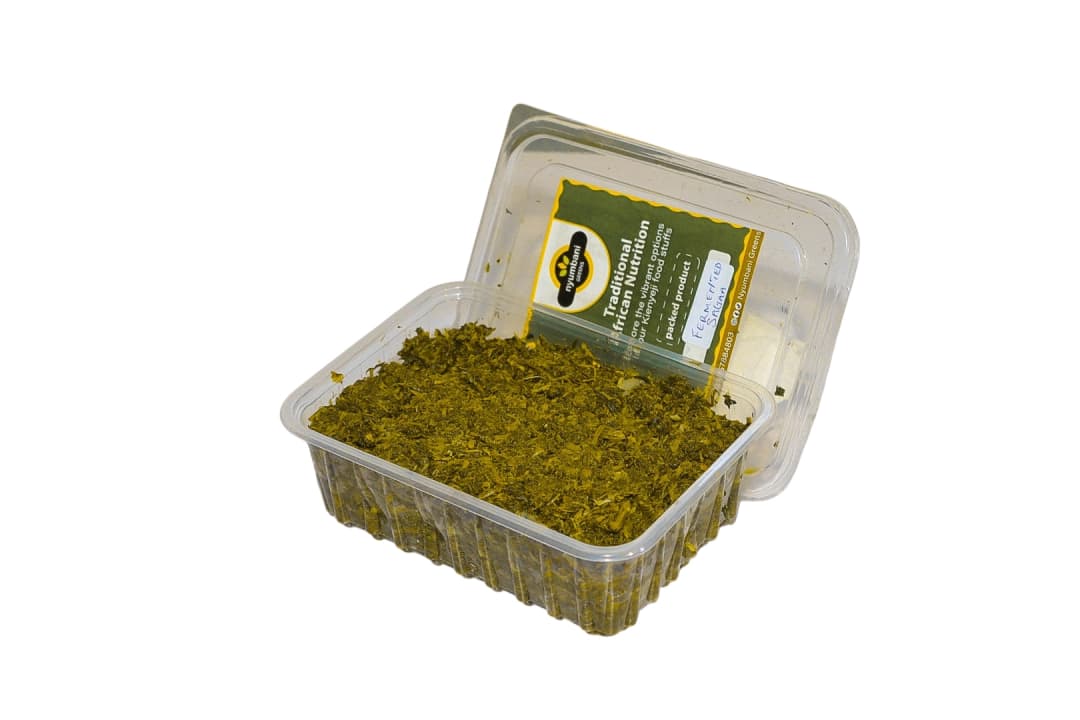
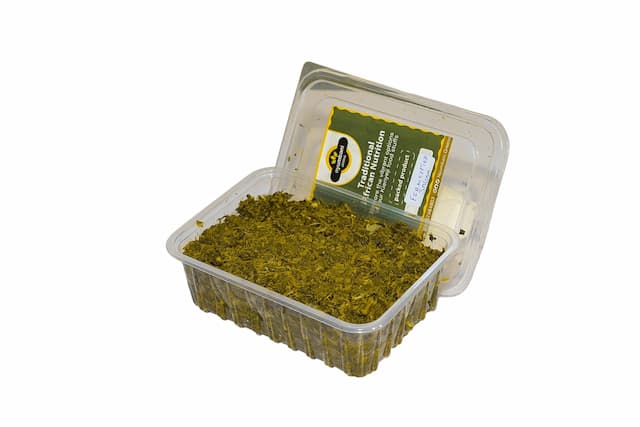
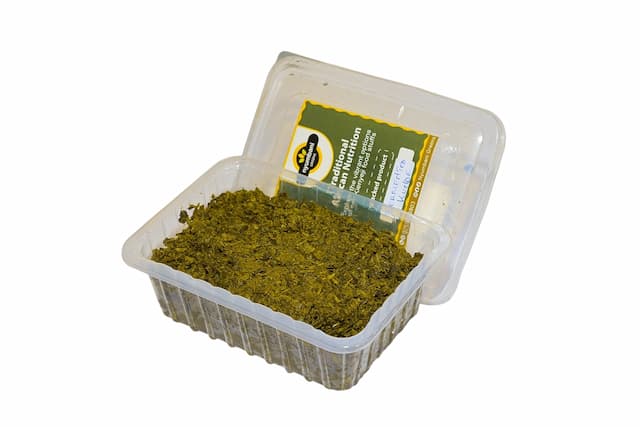
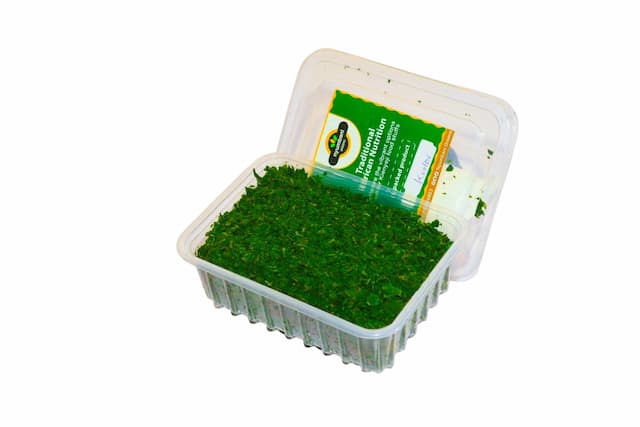
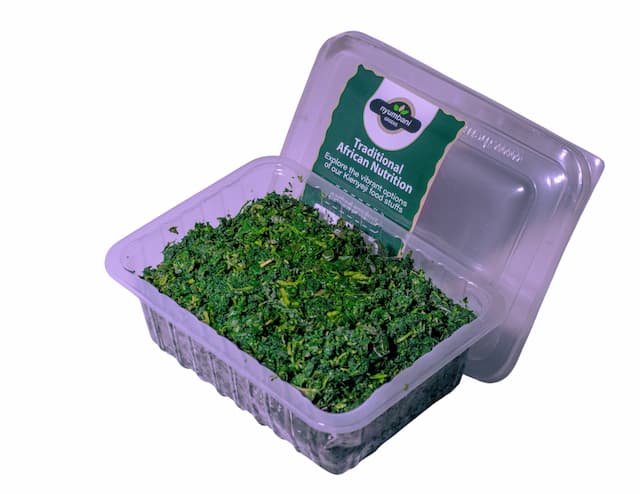
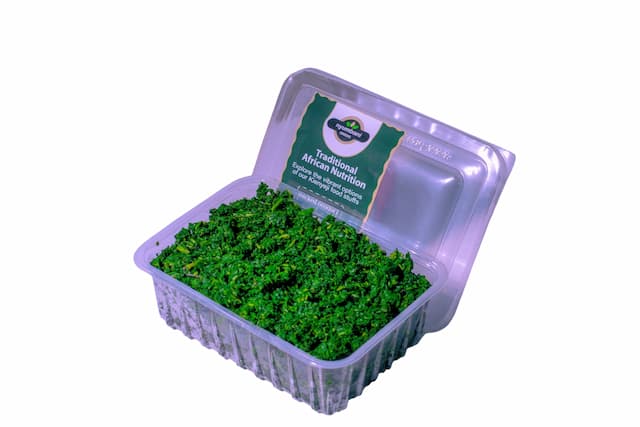
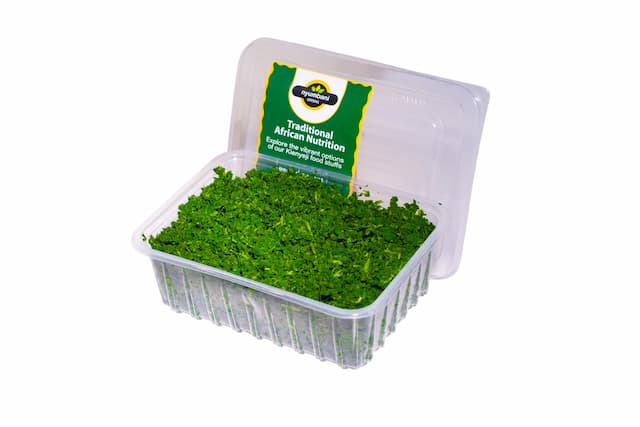
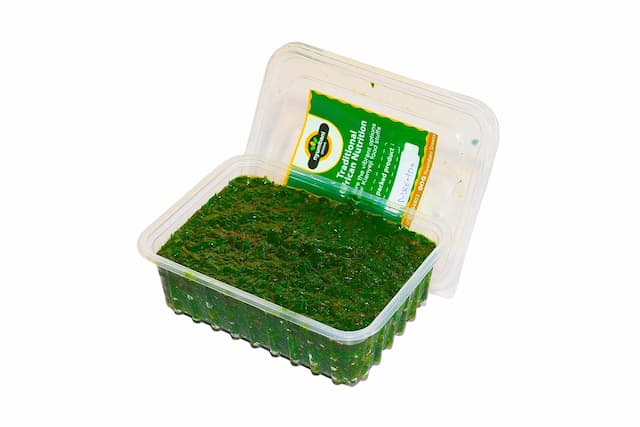
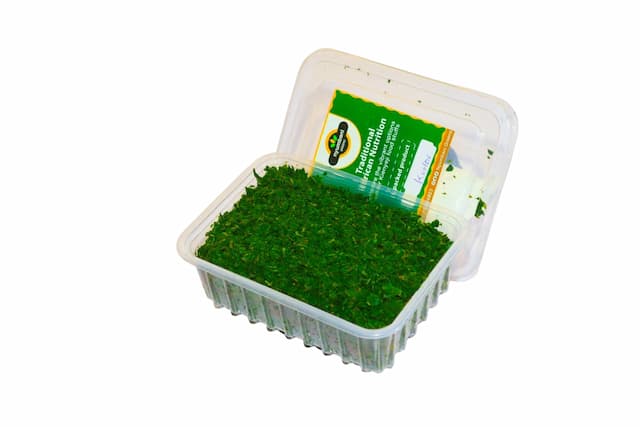
Long before refrigeration reached rural kitchens, Kenyan communities fermented cowpea leaves to keep them edible through the dry season. The leaves were boiled, left to sour naturally over a day or two, then stored or sun-dried for later use. Nyumbani Greens keeps that same traditional process alive, using naturally grown kunde and letting it ferment the way it always has, without shortcuts or artificial souring agents.
What Fermentation Does to the Leaves
- Fermentation changes fermented kunde in three main ways.
- It develops flavor. The natural souring gives the leaves a light tang that balances well against ugali, rice, or a simple bean stew.
- It softens texture. The leaves become tender and easier to cook down quickly, unlike fresh kunde, which needs longer boiling.
- It builds probiotics. The fermentation process encourages beneficial bacteria to grow in the leaves, similar to what happens in yogurt or fermented dairy like mursik. These bacteria are associated with better gut health and easier digestion.
Nutritional Value
Kunde leaves are naturally high in protein, iron, calcium, and fibre, making them one of the more nutrient-dense African indigenous vegetables. Fermentation is also known to reduce some of the antinutrients found in raw leafy greens, which can make the nutrients already present easier for the body to absorb.
How to Prepare Fermented Kunde
- Fermented kunde needs very little cooking since the fermentation has already softened it.
- Rinse the leaves lightly if you prefer a milder tang.
- Sauté with chopped onion and tomato for a quick side dish.
- Add a spoon of ghee or cooking oil and simmer for a few minutes until warmed through.
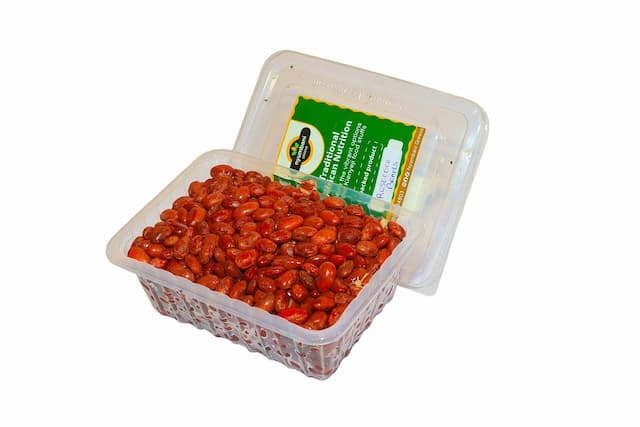
- Serve alongside ugali, rice, or githeri for a traditional Kenyan meal.
- Because the leaves are already fermented, they cook faster than fresh or blanched kunde and hold their tangy flavor even after reheating.
How Fermented Kunde Differs From Blanched Kunde
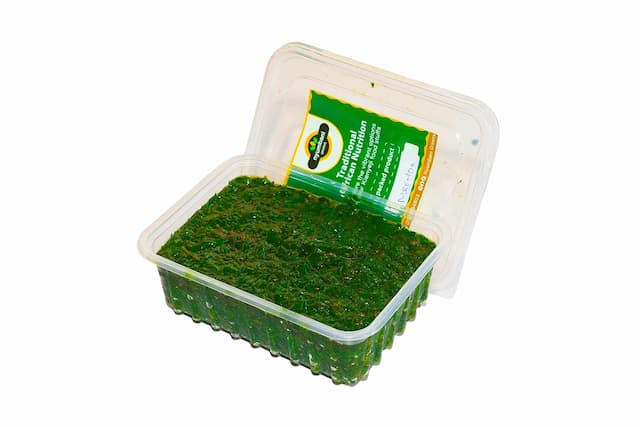
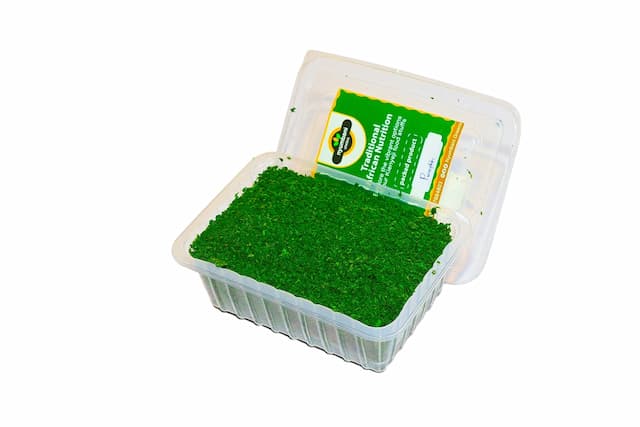
Blanched kunde is quickly cooked and cooled to preserve its fresh, mild taste and bright colour. Fermented kunde goes through a longer natural process that changes the flavor to a tang and adds the gut-supporting probiotics that blanching does not produce. Customers who want a traditional, tangier side dish with digestive benefits usually choose fermented kunde. Those who want a milder, closer-to-fresh taste often go for the blanched version instead.
Sourced Fresh, Delivered Across Nairobi
Nyumbani Greens works directly with local farms to source kunde before it is fermented and packed. We deliver fresh across Kilimani, Kileleshwa, Lavington, Karen, Lang'ata, Westlands, and South B, so you get an authentic taste of home-cooked Kenyan tradition without leaving your kitchen.
Frequently Asked Questions
What is fermented kunde?
Fermented kunde is cowpea leaves that have gone through natural lactic fermentation. This traditional Kenyan preservation method gives the leaves a tangy flavor and increases their probiotic content.
Does fermented kunde support gut health?
Yes. The fermentation process encourages the growth of beneficial bacteria in the leaves, similar to other fermented foods. These probiotics are commonly linked to improved digestion and gut health.
How long does fermented kunde take to cook?
Very little cooking is needed. Since the leaves are already softened through fermentation, a quick sauté of five to ten minutes is usually enough.
Is fermented kunde spicy or sour?
It is not spicy. The fermentation gives it a mild, tangy sourness rather than heat, similar to the taste of other naturally fermented foods.
What is the difference between fermented kunde and blanched kunde?
Blanched kunde is lightly cooked to keep a fresh, mild taste. Fermented kunde undergoes a longer natural fermentation process that adds a tangy flavor and probiotic content that blanching does not provide.
Does Nyumbani Greens deliver fermented kunde across Nairobi?
Yes. We deliver to Kilimani, Kileleshwa, Lavington, Karen, Lang'ata, Westlands, and South B